

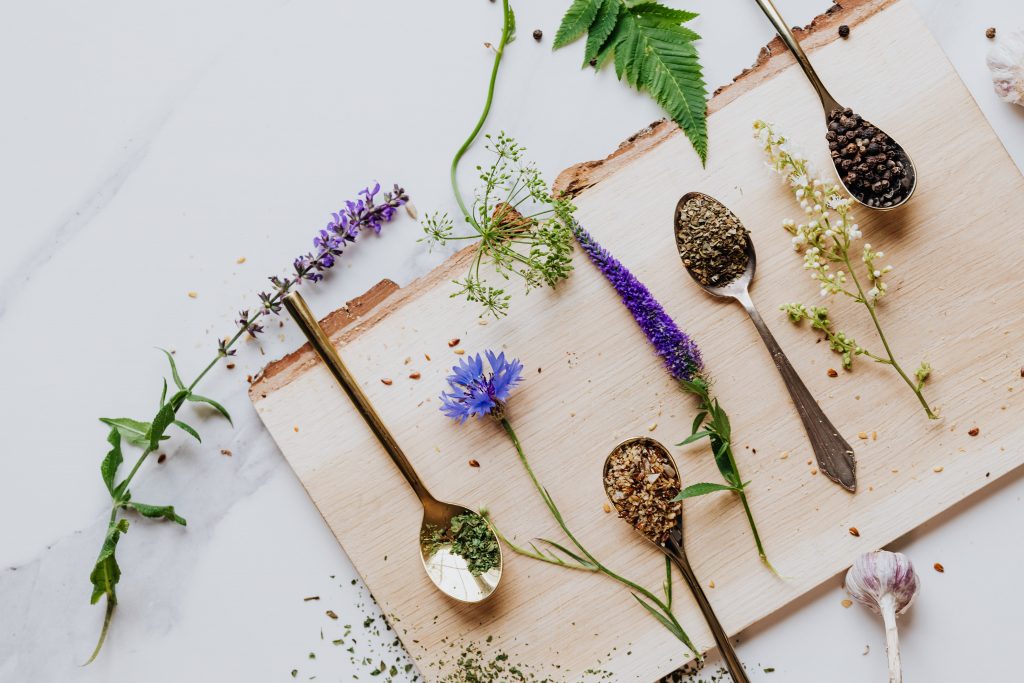
There are many ways of managing your menopause symptoms and supporting your wellbeing that do not involve adding hormones. Some women do not want to take hormones, or they have a medical condition and have been advised that they should not take hormones. These women can be made to feel that there are no other options for them to help reduce their symptoms. This is not true.
At Rowena Health we take a holistic, patient centred approach and this involves us listening to what is important to you, what you have experienced in the past and together we can talk through all of the options to help guide you to decide on the right treatment for you. There are many options for you to try which do not involve taking hormone replacement therapy. It is important to choose an option which is evidence based, safe and effective.
Few complementary and alternative treatment options have proven evidence to show how effective they are, and although they do not stand up to scrutiny from a robust and evidence-based perspective, there are individual women who benefit from these treatments.
Healthy lifestyle choices
Healthy lifestyle choices are at the top of the list, because more and more evidence supports that lifestyle medicine can help us to feel well and to live well for longer. Click here to read our article about this.
Things to consider to live well for longer:
- Protect the 80 year old you – put in place lifestyle choices now to help support you later. Think about your bone health, heart health, brain health and genitourinary health.
- Strength exercise – add 30 minutes 2-3 x a week – this not only maintains muscle strength but supports bone health and helps prevent falls later in life. 1 in 2 women over the age of 50 fracture a bone. This can cause pain and affect your ability to look after yourself.
- Nutrition: as well as prioritising a balanced health nutritious diet, remember to include enough calcium in the diet to protect bone health – 1000mg daily. Why does the requirement for calcium increase post menopause? Because we absorb less from the diet and excrete more in urine. Look at the calcium calculator on the Royal Osteoporosis Society website.
- Gut health: this can have a huge impact upon your health and wellbeing.
- Brain health: We can reduce the risk of dementia by choosing healthy lifestyle choices. A Mediterranean type diet, regular exercise, prioritising 7 to 9 hours of sleep each night, avoiding toxins, socialising, and learning a new skill. None of these require hormones and can help to protect brain health.
- Health checks
- Check your chest and vulva monthly. Attend screening tests such as mammograms, cervical screening and bowel cancer.
- Have a blood pressure check each year. Blood pressure naturally rises as we get older. If yours rises and requires treatment to reduce your risk of heart attack and stroke, you can catch this early.
- Have a blood lipid check. Blood lipids rise as we go through menopause. This can increase our risk of heart attack and stroke. If you have yours done, your doctor can use a QRISK 3 scoring assessment to see if you might benefit from treatment to reduce your risk of cardiovascular disease.
Cognitive behavioural therapy (CBT)
One of the important non-hormonal treatments for menopause includes CBT, which can help to improve anxiety, depression, sleep, and vasomotor symptoms (hot flushes and night sweats). CBT can be arranged as individual 1-1 therapy, in a group session or by using an online course or a book to support you.
- Women’s health concern fact sheet CBT
- Book: Managing hot flushes and night sweats by Myra Hunter
- Often other symptoms are worsened if you are not sleeping. Brain fog and mental health are two common symptoms which are hard to manage if you are exhausted. If you are struggling to sleep then a specific type of Sleep CBT for insomnia can be helpful. Have a look at Sleep station, Sleepful or Sleepio. Read this article about understanding sleep difficulties in menopause: click here. Don’t forget to consider insomnia, restless legs or obstructive sleep apnoea.
Non-hormonal treatments for menopause: prescribable medications
Health professionals can prescribe medications which are not hormonal to help relieve hot flushes and night sweats. We need to ensure these medications are right for you, that they will not interact with medication you are taking and that you are aware of any side effects which you might experience and how long the side effects might last.
There are different groups of medicines to consider and it is important to ask if they will interact with any medication you take, what the side effects might be and if any blood test monitoring is needed. This link takes you to a list which your prescriber can consider. These can be extremely effective at significantly reducing hot flushes and night sweats. Examples include certain antidepressants and neurokinin 1 and 3 receptor antagonists.
- British Menopause Society: Prescribable alternatives to HRT
Bladder symptoms, vaginal and vulval symptoms
Even if you do not take systemic hormone therapy, it is important to support your bladder, vulva and vagina from the effects of low oestrogen. Symptoms such as vaginal dryness, soreness, burning, pain and bleeding on sex and urine frequency, urge to pee and urine infections can get progressively worse after menopause. These symptoms together are given a name. Genitourinary syndrome of menopause. It affects 80% of women.
- Good vulval care (avoid soap, no douching)
- Regular moisturising (using coconut oil or a pH matched vaginal moisturiser like YES organics or Regelle)
- Non hormonal lubricant during sex – oil based plus water based provides a slip and slide to mimic your own natural lubrication – avoid oil based lubricants if you use a condom
- Low dose localised vaginal oestrogen is not the same as systemic hormone therapy. It does not help with hot flushes and mood changes. It does help with GSM. It takes time to work – 2-4 months and can be taken by almost every woman (there are very few contraindications). If you are in doubt then speak with your Dr. This type of low dose treatment is part of therapy to prevent recurrent urine infections and can be prescribed by your GP or bought from a pharmacy. It is available as a cream, gel, vaginal tablet inserted with an applicator, vaginal waxy bullet pessary, vaginal silicone ring as estradiol, estriol or DHEA. It is widely prescribed and helps to support the tissues keeping them supple and healthy.
- Pelvic floor exercises – many women forget to do these but they can really help to avoid prolapse and help with bladder control. This website has some great advice: click here for Pelvic Obstetric and Gynaecological Phsyiotherapy
- Please do not live with leaking urine or stool – there are lots of ways we can help. Talk with your Dr.
Supplements over the counter
Goodness it is a confusing world when it comes to supplements. This is a multibillion dollar industry and it has settled quite nicely into the menopause world, where women are vulnerable and seeking many different ways to feel well. We see women who take a multitude of different treatments, and sadly many of them have no idea what they are taking, what dose they are taking, and what the possible side effects are.
A food first approach is best. From a healthy balanced diet you should absorb all of the nutrients your body needs, however, for some they are still deficient in nutrients and are advised to supplement their diet. It could be that they are not absorbing nutrients well from the gut, or that they are not able to transport certain nutrients well around the body for use, or they have a medical condition requiring supplements, or due to stress and environmental factors their requirement for certain nutrients increases. There are many reasons that supplements could be useful, however blindly using them is not advised and can be dangerous.
Please discuss the use of any supplements with your health care professional to ensure they are safe for you to use. Please check that supplements you take do not interact with other supplements you take, or medications you take. It is very easy to think supplements and herbal medicine is safe, and it will not cause harm, but it may not be right for you.
Vitamin D
We do need optimal Vitamin D in the body and this can be taken as a daily supplement or obtained from foods such as oily fish and eggs. It can help reduce joint inflammation, strengthen bones and support cartilage production. It is recommended that in the UK we all take a 400 IU dose in the winter months.
Vitamin D is a fat soluble pro-hormone. It is obtained through the action of sunlight on skin and from the diet. The action of sunlight (ultraviolet radiation wavelength 290–310 nm) on skin converts 7‑dehydrocholesterol to previtamin D3, which is then metabolised to vitamin D3. Dietary vitamin D exists as either ergocalciferol (vitamin D2) or cholecalciferol (vitamin D3).
The liver enzymes convert vitamin D2 and D3 (obtained either from diet or from the action of sunlight on skin) to the main circulating form of the vitamin, 25 hydroxyvitamin D (also known as 25(OH)D). This is then converted by the kidney and other tissues to the active form of the vitamin 1,25-dihydroxyvitamin D. We adequate levels of Vitamin D but we do not need high levels – this can cause health problems.
Non-hormonal treatments for menopause: complementary and alternative treatments
It is important to see a qualified specialist in their field if you are considering any therapy.
Mindfulness: Mindfulness-based practices can improve quality of life and are associated with improved sleep quality and perceived stress.
Hypnotherapy: A type of psychological therapy using hypnosis help treat some mental and physical health conditions and to change habits. Reduces vasomotor symptoms and self hypnosis can improve sleep.
Acupuncture: There is conflicting evidence for benefit but some women report finding this helpful. There may be more benefit for reduction of hot flushes with this treatment in those who have had breast cancer, if treatment is given by a menopause trained practitioner. Evidence also showed an improvement in joint pain in those on aromatase inhibitors.
The British Medical Acupuncture Society
Yoga: Yoga may have a broad impact on coping with menopausal changes and improving well-being rather than specifically controlling hot flushes.
Other therapies include reflexology, aromatherapy and homeopathy.
Herbal medicine
In the UK, the Medicines and Healthcare Products Regulatory Agency (MHRA) has introduced a licensing agreement for herbal therapies. All herbal products must have either a full marketing authorisation or a traditional herbal registration (THR) in order to be placed on the UK market. This registration can assure people who use them of quality and safety but may be applied to products based on their traditional use, not on evidence that are effective. It doesn’t apply to products bought outside the UK, for example, if you are buying over the internet. You must look for the THR logo for traditional herbal medicines which have been approved with the correct dose and suitable product information, but this does not mean that they are safe for you, as an individual, to use.
We always recommend you see a specialist to ensure you are taking products that are safe for you.
- Treatments they provide can include liquid extracts and tinctures, requiring small, individualised doses.
- Examples of herbs they may consider include sage, black cohosh and wild yam for night sweats; chaste tree berry for PMS symptoms; shatavari for hot flushes and vaginal dryness; blue skull cap for anxiety, valerian and passionflower for insomnia, St John’s wort and rose for anxiety, rage and mood swings.
- Example of adaptogens (help the body adapt to stress) they may consider include ashwagandha to calm and promote healthy sleep and rhodiola, to improve energy, mood and cognitive function.
- Some herbs may interact with medications and need to be taken with guidance if you have medical conditions such as high blood pressure, diabetes, a thyroid condition or a history of hormone sensitive cancer, for example.
- Black cohosh may relieve vasomotor symptoms associated with menopause but it can interact with medications, multiple preparations are available, and safety is uncertain
- St John’s Wort can relieve anxiety and low mood associated with menopause, but there is uncertainty about variation in nature and potency of preparations. It can interact with other drugs such as anticonvulsants, anticoagulants and tamoxifen. St John’s Wort interacts with HRT and should not be used alongside HRT for this reason.
Please refer to the National Institute of Medical Herbalists.
Download a free guide to herbal medicine
Other sources of information
- Women’s Health Concern Fact sheets: Alternative and complementary therapies
- The British complementary medicine association
- British Menopause Society short video: Complementary and alternative therapies
- International menopause society – non hormonal treatments
- European Menopause and Andropause Society article
Women commonly try complementary and alternative medicine for their menopause symptoms. They may perceive them to be effective. They prefer not to use hormone replacement therapy despite evidence that it is generally safe and effective. Reasons women might avoid it include their symptoms are not deemed to be severe enough to warrant medical intervention. They prefer to remain in control of menopause progression. They don’t understand HRT, or they are anxious about the adverse effects and risks of HRT or that there are medical contraindications. If you are concerned about the advice you have been given about replacement therapy, please make an appointment to see us.
This information is for general guidance and for you to discuss with us at your appointment or your Dr to see if these might be suitable for you. Please do not start to take any of these medications until you have checked they are suitable for you.
Updated September 2026 Dr Carys Sonnenberg
If you are in the UK and would like to make a virtual appointment at Rowena Health with Dr Carys Sonnenberg please click here
© Rowena Health | rowenahealth.co.uk
The information in this article was correct at the time of publication. This is for general information only and is not intended to be, nor should it form, individual medical advice. Always seek advice from your health professional about you medical care. Throughout the Rowena Health website, we use the term women when describing people who experience hormonal symptoms. However, we acknowledge not only those who identify as women require access to menopause and hormone health information. For example, some trans men, non-binary people, intersex people or people with variations in sex characteristics may also experience menopausal symptoms and hormonal mood changes such as PMS and PMDD.