

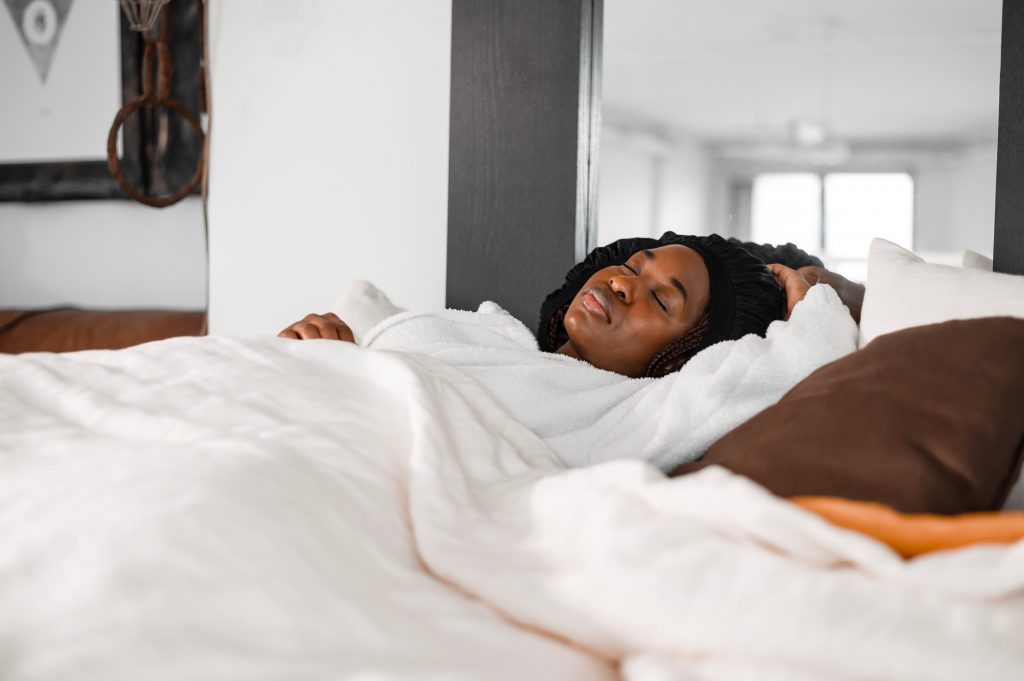
Why Does Menopause Affect Sleep? Sleep problems are one of the most common symptoms of perimenopause and menopause, affecting around 40-60% of women. You may find it difficult to fall asleep, wake repeatedly during the night, wake much earlier than you would like, develop snoring, experience restless legs or simply wake feeling unrefreshed. Poor sleep can affect every aspect of life including mood, memory, concentration, work performance, relationships and overall well being.
Sleep disturbance during menopause is often caused by a combination of hormonal changes, hot flushes, anxiety, stress, bladder symptoms, pain and sleep disorders. Understanding the cause is the first step towards finding the right treatment.
Why Is Sleep So Important?
Sleep is essential for physical and mental health.
While we sleep, our brain processes information, consolidates memories and clears waste products. Sleep also supports:
- Mood and emotional wellbeing
- Concentration and memory
- Immune function
- Heart health
- Blood pressure regulation
- Blood sugar control
- Weight management
- Bone and muscle repair
Poor sleep has been linked to an increased risk of obesity, insulin resistance, type 2 diabetes, cardiovascular disease, anxiety and depression.
Sleep also affects the hormones that regulate appetite. When we sleep poorly, levels of ghrelin, the hormone that stimulates hunger, increase, while levels of leptin, the hormone that helps us feel full, decrease. This can contribute to cravings and weight gain.
How Hormones Affect Sleep
Hormones act as chemical messengers throughout the body and have an important role in regulating sleep.
Oestrogen
As oestrogen levels fluctuate and decline during perimenopause and menopause, women often experience:
- Hot flushes
- Night sweats
- Increased body temperature
- Anxiety
- Mood changes
These symptoms can make it difficult to fall asleep and stay asleep.
Progesterone
Progesterone has natural calming properties and may promote sleep in some women.
During the menopause transition, progesterone levels fall as ovulation becomes less frequent and eventually stops. This reduction may contribute to sleep difficulties, anxiety and disrupted breathing during sleep.
Micronised progesterone, used as part of HRT, may improve sleep quality in some women because one of its breakdown products, allopregnanolone, acts on GABA receptors in the brain, producing a calming effect.
Melatonin
Melatonin is often called the sleep hormone. It is released by the brain in the evening and helps regulate our body clock.
Melatonin production naturally declines with age and may reduce further during menopause, contributing to difficulties falling asleep.
Cortisol
Cortisol is our main stress hormone.
High stress levels, anxiety and chronic stress can increase cortisol production, making it harder to switch off and fall asleep.
Night Sweats and Sleep
Night sweats are one of the most common causes of disrupted sleep during menopause.
Women may wake repeatedly feeling hot, sweaty or uncomfortable. Changing nightwear or bedding in the middle of the night can make it difficult to return to sleep.
Simple measures that may help include:
- Keeping the bedroom cool
- Using breathable cotton bedding
- Keeping spare nightwear nearby
- Avoiding excess alcohol
- Considering HRT if symptoms are related to menopause
Anxiety, Stress and Sleep
Many women notice an increase in anxiety during perimenopause.
Anxiety can make it difficult to fall asleep and can lead to waking in the early hours with racing thoughts.
The British Menopause Society recommends addressing psychological wellbeing as part of a comprehensive approach to sleep problems.
Helpful strategies include:
- Setting aside “worry time” during the day
- Mindfulness or meditation
- Breathing exercises
- Regular physical activity
- Talking therapies
- Cognitive Behavioural Therapy (CBT)
If you cannot sleep, try not to lie awake watching the clock. If you have been awake for around 15-20 minutes, it may be helpful to get out of bed and return when you feel sleepy.
Understanding Your Body Clock
Sleep is controlled by two systems:
Circadian Rhythm
This is your internal body clock, influenced by light and darkness.
Morning daylight helps regulate this clock and improves sleep quality.
Try to get outside within the first hour of waking whenever possible.
Sleep Drive
Throughout the day a chemical called adenosine builds up in the brain, increasing your drive to sleep.
Caffeine blocks adenosine and may affect sleep in sensitive individuals.
If caffeine affects you, consider avoiding it after midday.
Deep Sleep and REM Sleep
Both stages of sleep are important.
Deep Sleep
Deep sleep helps:
- Repair muscles and tissues
- Support bone health
- Strengthen the immune system
- Consolidate memories
REM Sleep
Rapid Eye Movement (REM) sleep is important for:
- Learning
- Creativity
- Emotional processing
- Mental wellbeing
Alcohol significantly reduces REM sleep and may leave you feeling emotionally less resilient the following day.
What Can Help Improve Sleep?
Keep a Regular Routine
Try to go to bed and wake up at similar times each day, including weekends.
Make Sleep a Priority
Avoid sacrificing sleep to finish work, household tasks or screen time.
Create a Sleep-Friendly Environment
- Keep the room cool
- Reduce noise where possible
- Limit bright screens before bed
- Make the bedroom comfortable
Exercise Regularly
Regular movement improves sleep quality, mood and overall health.
Eat Well
A balanced diet rich in protein, fibre and healthy fats can help support stable blood sugar levels and improve sleep.
Limit Alcohol
Although alcohol may make you feel sleepy initially, it often causes disrupted sleep later in the night.
HRT and Sleep
HRT can improve sleep when symptoms are related to menopause.
By reducing hot flushes, night sweats and anxiety, many women notice significant improvements in sleep quality.
Women using micronised progesterone may also experience additional sleep benefits.
HRT is not a sleeping tablet and will not help all sleep problems, but it can be very effective when hormonal symptoms are contributing.
Cognitive Behavioural Therapy for Insomnia (CBT-I)
The British Menopause Society and NICE recommend Cognitive Behavioural Therapy for Insomnia (CBT-I) as a first-line treatment for persistent insomnia.
CBT-I helps identify and change thoughts and behaviours that contribute to poor sleep.
It has been shown to improve:
- Time taken to fall asleep
- Number of night-time awakenings
- Sleep quality
- Daytime functioning
Useful resources include:
- Sleepio
- Sleepstation
- Sleepful
Temporary Sleep Problems or Insomnia?
Everyone experiences occasional poor sleep.
Insomnia is diagnosed when:
- You have difficulty falling asleep, staying asleep or wake too early
- Symptoms occur at least three times per week
- Problems continue for at least three months
- Sleep difficulties affect daytime functioning
- There is adequate opportunity to sleep
If this sounds familiar, speak with a healthcare professional.
Obstructive Sleep Apnoea and Menopause
Obstructive Sleep Apnoea (OSA) becomes more common after menopause and is often overlooked.
Symptoms include:
- Loud snoring
- Pauses in breathing during sleep
- Morning headaches
- Excessive daytime sleepiness
- Brain fog
- Memory problems
- Dry mouth on waking
- Frequent night-time urination
OSA is associated with increased risks of:
- High blood pressure
- Heart disease
- Stroke
- Type 2 diabetes
- Anxiety and depression
Treatment may include weight management, reducing alcohol intake, sleeping position advice and Continuous Positive Airway Pressure (CPAP) therapy.
If you snore heavily or wake feeling unrefreshed despite adequate sleep, discuss this with your GP.
Restless Legs Syndrome
Restless Legs Syndrome (RLS) is more common in women and may worsen during menopause.
Symptoms include:
- An irresistible urge to move the legs
- Crawling or tingling sensations
- Symptoms worse in the evening
- Difficulty falling asleep
Low iron stores can contribute to RLS, so checking a ferritin level may be helpful.
When Should You Seek Help?
Speak to a healthcare professional if:
- Sleep problems persist for more than a few weeks
- You are struggling with fatigue
- Symptoms are affecting your quality of life
- You snore heavily
- You experience restless legs symptoms
- You wake with headaches
- You are concerned about anxiety or low mood
The Bottom Line
Sleep disturbance is one of the most common symptoms of perimenopause and menopause. Hormonal changes, hot flushes, anxiety, stress and sleep disorders can all contribute. The good news is that there are effective treatments available. Lifestyle measures, HRT, CBT-I and assessment for underlying sleep disorders can all play an important role. If poor sleep is affecting your daily life, help is available and you do not have to struggle on alone.
This version is more aligned with the 2025 BMS sleep guidance, gives greater emphasis to CBT-I as first-line treatment for chronic insomnia, recognises sleep apnoea as an important menopausal issue and is structured for SEO with clear headings and searchable keywords.
Resources to read more:
- The sleep book: how to sleep well every night by Guy Meadows
- NHS self-help leaflets on sleep problems
- NHS information on insomnia
- Sleepio, a digital self-help programme designed for improving sleep that is recommended by NICE as cost effective for treating insomnia symptoms
- The British Snoring & Sleep Apnoea Association website
- The Sleep Apnoea Trust website
- The Sleep Charity website
- BMS video on sleep
- WHC fact sheet
- Tiredness patient information leaflet
For an appointment at Rowena Health Menopause Specialist Clinic online if you are in the UK please click the link. We would be delighted to see you.
Last updated January 2026 Dr Carys Sonnenberg Rowena Health
Such a useful informative article & some tips I can use in search of illustrious sleep, especially the CBT-i, I had previously been recommended the Sleepio App .
Thank you for education & empowering menopausal women : keep up the fantastic work .
Former RGN
Hi Sally, thank you so much for your lovely comment. Best wishes Carys