

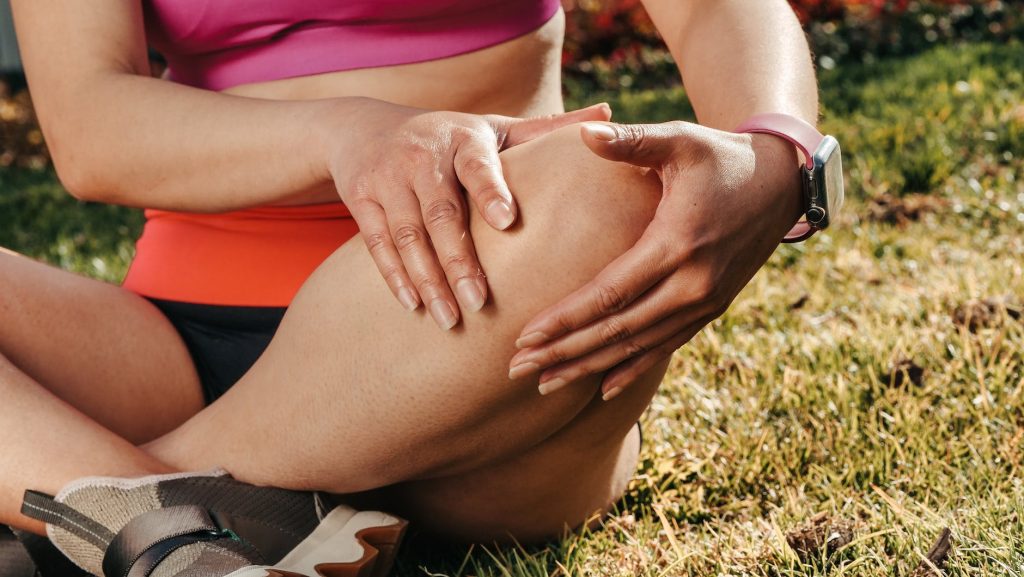
Menopause Joint Pain: Why Your Joints, Muscles and Bones May Hurt During Menopause
Are your joints aching for no obvious reason? Have you noticed stiffness when you get out of bed, painful shoulders, sore hands or muscles that seem slower to recover?
You are not imagining it and it is not simply a normal part of ageing.
Joint pain, muscle aches and stiffness are among the most common symptoms of perimenopause and menopause. In fact, experts now recognise these symptoms as part of Musculoskeletal Syndrome of Menopause, a condition linked to changing hormone levels that can affect the muscles, joints, tendons and bones throughout the body.
Many women spend months or even years looking for answers before anyone connects their symptoms to menopause.
This article explains why menopause can cause joint pain, what symptoms to look out for and what treatments may help.
Can Menopause Cause Joint Pain?
Yes. Research suggests that musculoskeletal symptoms affect up to 70% of women during the menopause transition, making them one of the most common but often overlooked symptoms of menopause.
Many women develop symptoms during perimenopause, sometimes years before their periods stop completely.
These symptoms can affect quality of life, sleep, exercise, work and overall wellbeing.
What Is Musculoskeletal Syndrome of Menopause?
Musculoskeletal Syndrome of Menopause (MSM) is a term introduced by international menopause experts in 2024.
It describes the effects of declining oestrogen on:
- Joints
- Muscles
- Bones
- Tendons
- Ligaments
- Connective tissues
For many women, menopause affects far more than hot flushes and night sweats. Hormonal changes can influence how strong, flexible and resilient the body feels.
Why Does Menopause Cause Aches and Pains?
Most people think of oestrogen as a reproductive hormone. However, oestrogen receptors are found throughout the body, including in muscles, bones, cartilage, tendons and joints.
As oestrogen levels fall during perimenopause and menopause, several changes can occur.
Increased Inflammation
Oestrogen has natural anti-inflammatory effects. Lower levels may contribute to increased inflammation, which can lead to pain, stiffness and discomfort.
Changes in Joint Function
Oestrogen helps support healthy connective tissues and cartilage. As hormone levels decline, joints may become stiffer and less comfortable.
Loss of Muscle Mass and Strength
Women naturally lose muscle as they age, but this process can accelerate during menopause.
This can lead to:
- Reduced strength
- Poorer balance
- Increased fatigue
- Slower recovery after exercise
Tendon and Ligament Changes
Hormonal changes can affect collagen production and tissue repair, increasing the risk of tendon pain and conditions such as frozen shoulder.
Reduced Bone Density
Oestrogen plays a vital role in protecting bones. Lower levels increase the risk of osteopenia, osteoporosis and fractures.
Symptoms of Menopause Joint Pain
Symptoms vary from woman to woman but commonly include:
Joint Symptoms
- Aching joints
- Painful hands and fingers
- Hip pain
- Knee pain
- Neck pain
- Back pain
- Shoulder pain
- Morning stiffness
- Stiffness after sitting for long periods
Muscle Symptoms
- Muscle aches and pains
- Reduced strength
- Feeling physically weaker
- Loss of muscle tone
- Slower recovery after exercise
- Increased fatigue
Everyday Signs
You may notice:
- Difficulty opening jars
- Carrying shopping feels harder
- Climbing stairs takes more effort
- Feeling less steady on your feet
- Reduced confidence in physical activities
Frozen Shoulder and Menopause
Frozen shoulder is particularly common during the menopause transition.
Women are significantly more likely than men to develop frozen shoulder, with the highest rates seen during the late 40s and 50s.
Symptoms include:
- Shoulder pain
- Night-time discomfort
- Stiffness
- Reduced range of movement
- Difficulty reaching overhead
- Problems fastening a bra or getting dressed
Although the exact cause is not fully understood, hormonal changes affecting connective tissues are thought to play an important role.
Why Do I Feel Weaker During Menopause?
Many women describe feeling less strong, less fit or less resilient during menopause.
This is not simply because of age.
Declining oestrogen levels contribute to faster muscle loss, reduced muscle strength and changes in muscle function.
The good news is that muscle responds well to exercise and nutrition at any age.
Menopause and Bone Health
Bone health becomes increasingly important during and after menopause.
As oestrogen levels decline, bones lose density more rapidly. This can increase the risk of:
- Osteopenia
- Osteoporosis
- Fragility fractures
Many women do not realise they have reduced bone density until they experience a fracture.
Protecting bone health early can make a significant difference later in life.
Could It Be Arthritis Rather Than Menopause?
Not all aches and pains are caused by menopause.
Other possible causes include:
- Osteoarthritis
- Rheumatoid arthritis
- Fibromyalgia
- Thyroid disorders
- Vitamin D deficiency
- Autoimmune conditions
You should seek medical advice if you experience:
- Joint swelling
- Redness
- Significant weakness
- Unexplained weight loss
- Severe or worsening symptoms
However, if symptoms have developed during your 40s or 50s, menopause may be contributing and is worth discussing with your healthcare professional.
Can HRT Help Joint Pain?
For some women, Hormone Replacement Therapy (HRT) can improve menopause-related joint and muscle symptoms.
Oestrogen helps support:
- Muscle mass
- Joint health
- Connective tissues
- Bone density
Many women report improvements in:
- Joint pain
- Stiffness
- Muscle aches
- Energy levels
- Physical function
- Quality of life
HRT is not suitable for everyone, so treatment should always be individualised following discussion with a healthcare professional.
How to Reduce Joint Pain During Menopause
Strength Training
Strength training is one of the most effective ways to protect muscles, joints and bones during menopause.
Benefits include:
- Increased strength
- Improved balance
- Better bone health
- Reduced injury risk
- Greater confidence in movement
Resistance bands, bodyweight exercises and weight training can all help.
Stay Active
Regular movement helps reduce stiffness and improve mobility.
Good options include:
- Walking
- Swimming
- Pilates
- Yoga
- Strength training
Eat Enough Protein
Protein is essential for maintaining muscle mass.
Aim to include protein-rich foods such as:
- Fish
- Eggs
- Poultry
- Dairy products
- Beans
- Lentils
- Tofu
- Nuts and seeds
Support Bone Health
Ensure adequate:
- Calcium intake
- Vitamin D intake
- Protein intake
Weight-bearing exercise is also important for maintaining healthy bones.
Prioritise Sleep
Poor sleep can worsen pain and slow recovery.
Managing menopause symptoms that affect sleep can have a positive impact on overall musculoskeletal health.
When Should You Seek Help?
Speak to your healthcare professional if:
- Joint pain is affecting your daily life
- Symptoms are severe or worsening
- You have swelling or redness around a joint
- You feel significantly weak
- Pain is affecting sleep or exercise
You do not have to simply put up with these symptoms.
Frequently Asked Questions
Is joint pain a symptom of menopause?
Yes. Joint pain is one of the most common symptoms of perimenopause and menopause and may affect up to 70% of women during the menopause transition.
Why do my joints ache during perimenopause?
Fluctuating oestrogen levels can affect joints, muscles, tendons and connective tissues, leading to aches, stiffness and discomfort.
Can HRT help menopause joint pain?
Many women experience improvements in joint pain, stiffness and muscle aches after starting HRT, although results vary from person to person.
Why do my muscles hurt during menopause?
Declining oestrogen levels can contribute to increased inflammation, muscle loss and changes in muscle function, leading to aches and reduced strength.
Does menopause increase the risk of osteoporosis?
Yes. Lower oestrogen levels accelerate bone loss and increase the risk of osteoporosis and fractures.
The Bottom Line
Joint pain, muscle aches, stiffness and reduced strength are common symptoms of perimenopause and menopause. They are now recognised as part of Musculoskeletal Syndrome of Menopause, a condition linked to changing hormone levels that affects the muscles, joints and bones.
The good news is that there are effective treatments available. HRT, strength training, good nutrition, regular movement and optimising bone health can all help improve symptoms and support long-term wellbeing.
If joint pain or muscle symptoms are affecting your quality of life, seek advice from a healthcare professional with experience in menopause care.
Last updated: June 2026 Dr Carys Sonnenberg Rowena Health Menopause Specialist
Sources
This article is based on current evidence and guidance including:
Got more information from this post than I have done in months trying to see my Dr or get further information from them. Very informative and I’ve also shared this with my friend who is also going through the same thing. Thank you!
Thank you so much for taking the time to read and to comment.
Such an interesting read thank you so much. It’s really helpful to know which alternative remedies might help stiff joints.
Thank you so much for taking the time to read and comment
Awesome, thank you. I found you on TikTok.
Thank you so much.
I would be interested to learn about using collagen to support muscle and bone health. Particularly type 2 which is hard to buy. I understand that improving collagen will help joint pain reduction. Is that correct?
Thank you so much for your comment, I’m not aware that using collagen supplements will improve joint pain and they are not recommended by NICE or GP guidance. If I read anything to support this I will let you know.
Best wishes Dr Carys Sonnenberg